
How Interactive Displays Can Transform UAE Classrooms


The integration of technology in education has taken a significant leap forward with the advent of interactive displays. In the UAE, where educational innovation is a priority, these displays are transforming traditional classrooms into dynamic learning environments.
Enhancing Student Engagement
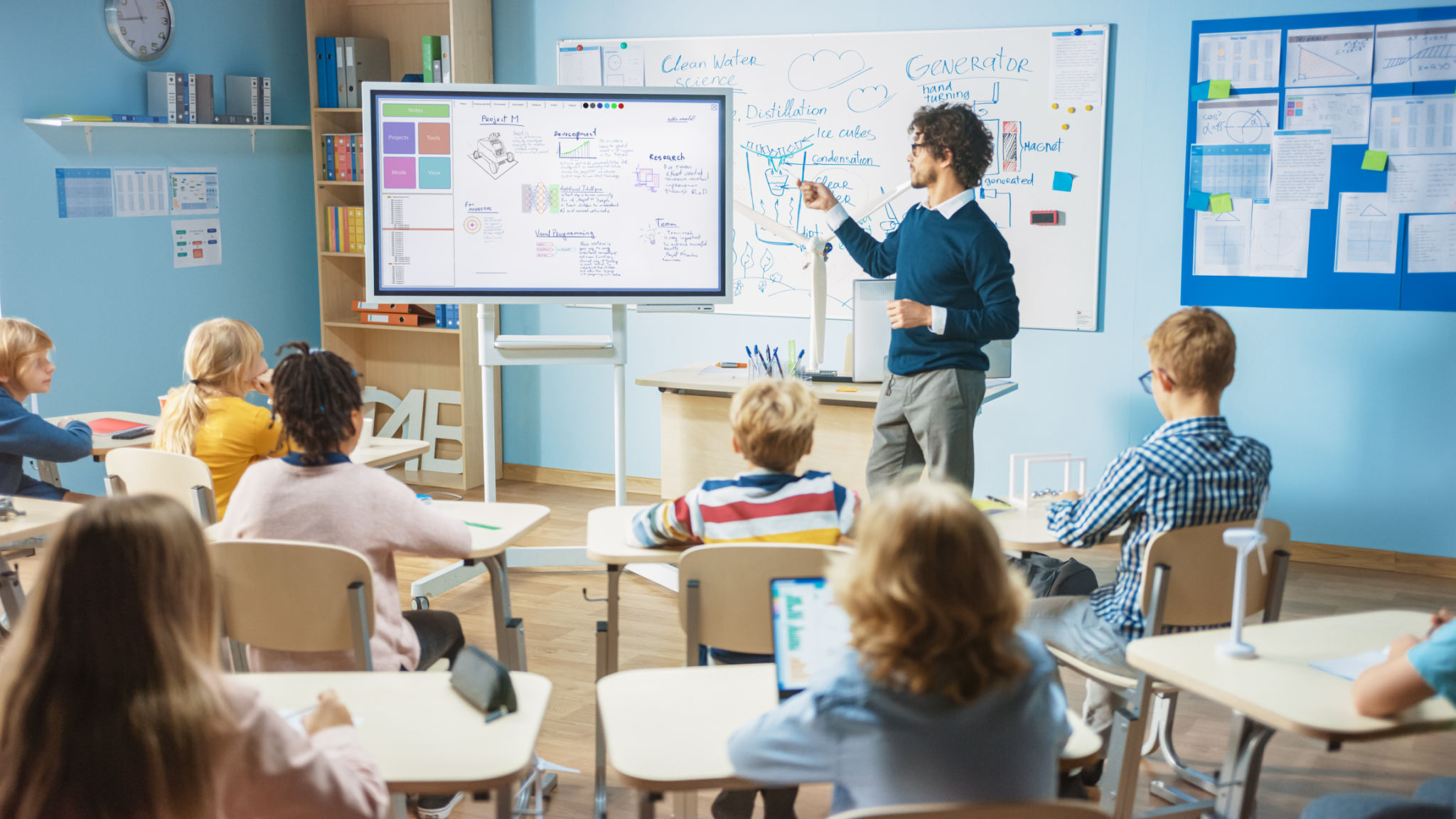
Interactive displays captivate students' attention by making learning more engaging and participatory. Traditional lectures are transformed into interactive sessions where students can interact directly with the content. This not only increases engagement but also fosters a deeper understanding of the subject matter.
With features like touch capabilities and real-time feedback, students are more likely to stay focused and participate actively in lessons. The ability to manipulate digital objects and access multimedia resources makes learning both fun and informative.
Facilitating Collaborative Learning
Collaboration is a key skill for the future, and interactive displays make it easier for students to work together. These displays support group activities where multiple students can interact with the screen simultaneously, encouraging teamwork and communication.
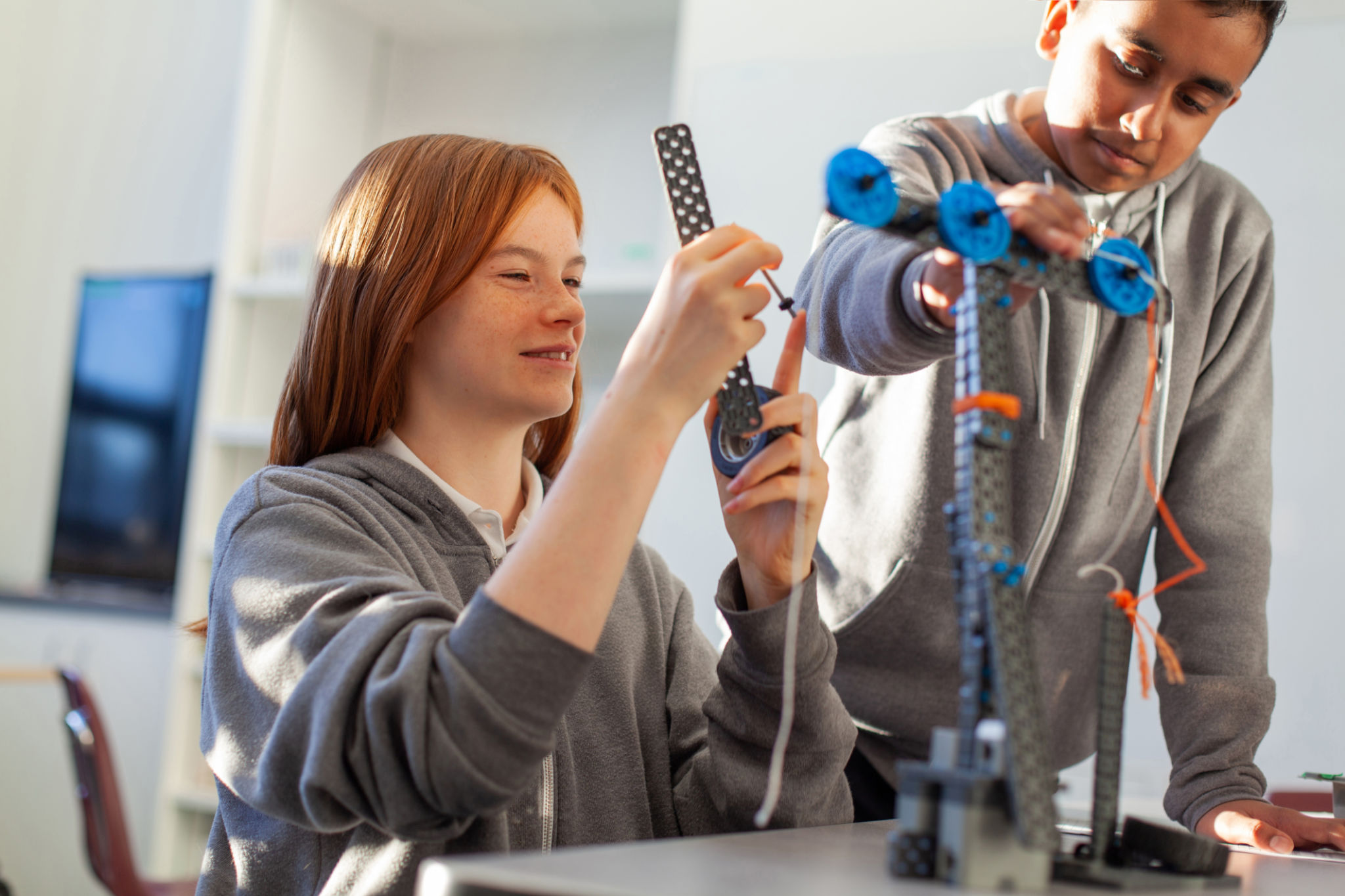
Teachers can assign group projects where students use the display to brainstorm, present ideas, and solve problems collectively. This not only enhances learning outcomes but also builds essential interpersonal skills.
Supporting Diverse Learning Styles
Every student learns differently, and interactive displays cater to a variety of learning styles. Visual learners benefit from rich graphics and videos, while kinesthetic learners engage through touch and interaction. Auditory learners can access embedded audio content to reinforce their understanding.
Teachers can customize lessons to suit individual needs, ensuring that all students have the opportunity to succeed. This personalized approach is particularly beneficial in a diverse educational landscape like the UAE.

Streamlining Administrative Tasks
Beyond teaching, interactive displays also streamline administrative tasks. Teachers can easily organize and access lesson plans, track student progress, and manage classroom activities. This efficiency allows educators to focus more on teaching and less on paperwork.
Furthermore, the integration with educational software and cloud-based resources means that all data is stored securely and can be accessed from anywhere, facilitating both in-class and remote learning experiences.
Preparing Students for the Future
The skills learned through using interactive displays extend beyond the classroom. Students become familiar with technology that is prevalent in modern workplaces, preparing them for a future where digital proficiency is essential.
By incorporating interactive displays, UAE classrooms are not only enhancing education today but also equipping students with the skills needed for tomorrow's challenges.

In conclusion, the transformation brought by interactive displays in UAE classrooms is profound. By enhancing engagement, fostering collaboration, supporting diverse learning styles, and streamlining administrative tasks, these technologies are setting a new standard for education in the region.